
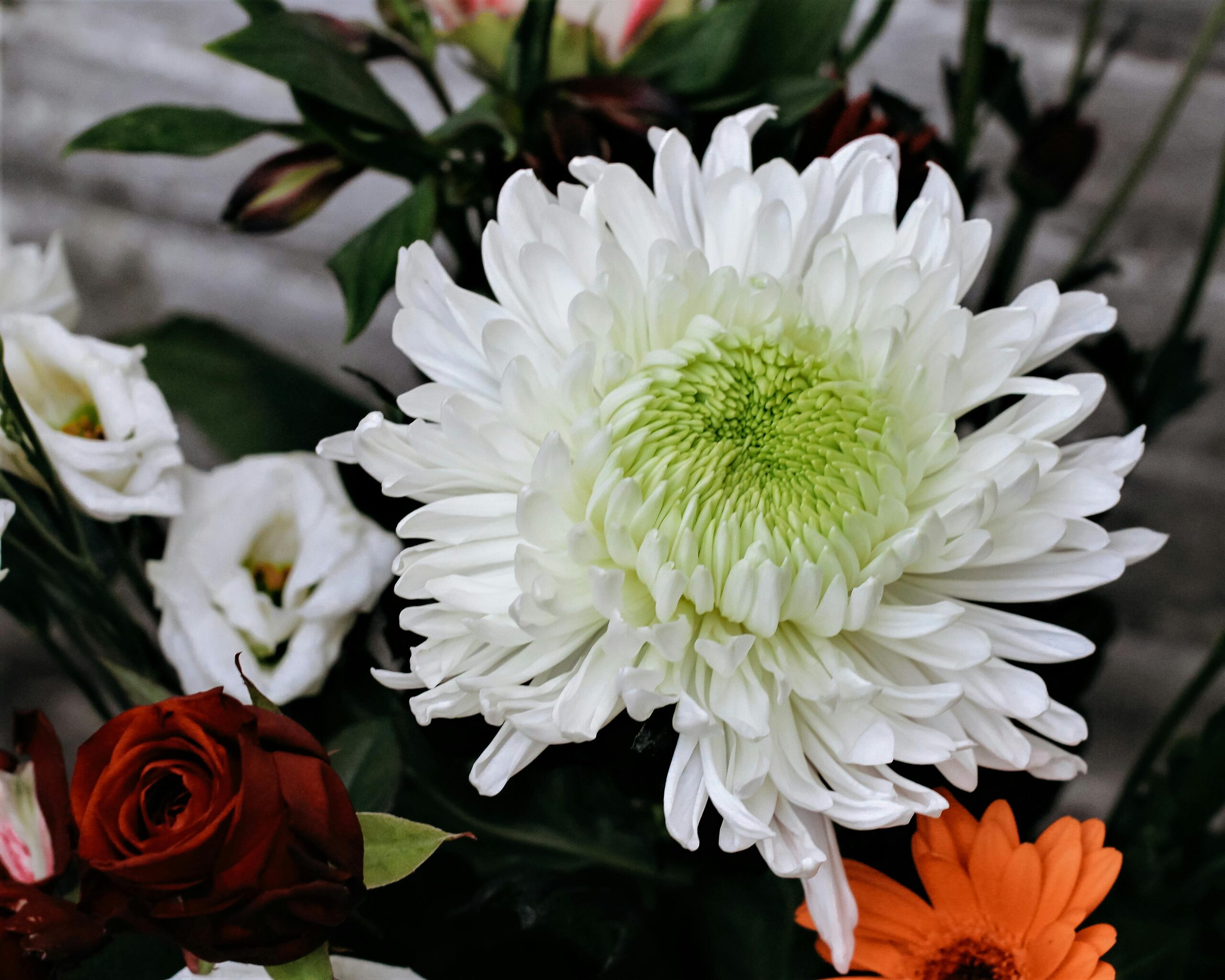
Navigating funeral customs in Hong Kong requires the delicate balance of honoring both traditional Chinese values and contemporary international practices. In this cosmopolitan city where East meets West, a single floral misstep can inadvertently cause deep offense during a family’s most vulnerable moments. Understanding these cultural nuances isn’t just about etiquette – it’s about showing genuine respect for grief and loss in a multicultural society.
Whether you’re an expatriate colleague, a local friend, or a business associate, sending appropriate funeral flowers demonstrates cultural sensitivity and personal consideration. The stakes are particularly high in Hong Kong’s interconnected community, where professional and personal relationships often intertwine across cultural boundaries.

The Forbidden Colors: Why Red Spells Trouble
In Chinese funeral traditions, color carries profound symbolic weight that extends far beyond aesthetic preference. Red flowers – regardless of their beauty or cost – represent celebration, joy, and good fortune. Imagine the cultural shock of receiving vibrant red roses or carnations at a moment of profound sorrow. It’s akin to wearing a wedding dress to a funeral – technically flowers, but devastatingly inappropriate.
This prohibition extends beyond obvious red blooms to include pink flowers with strong red undertones, coral-colored arrangements, and even burgundy varieties that might appear sophisticated in Western contexts. Traditional Chinese mourning colors center around white, yellow, and subtle pastels that acknowledge grief without inadvertently suggesting celebration.
The reasoning runs deeper than mere tradition. Red represents the life force, vitality, and celebration in Chinese philosophy – precisely the opposite energy appropriate for honoring the deceased. When you buy flowers Hong Kong style for funerals, you’re participating in an ancient cultural dialogue about life, death, and respect.
The Bright Bouquet Blunder
Mixed bouquets bursting with rainbow colors might seem like cheerful tributes to a life well-lived, but they often strike discordant notes in traditional Chinese funeral settings. These arrangements, while beautiful in other contexts, can appear frivolous or suggest that the sender doesn’t understand the gravity of the occasion.
Instead of vibrant mixed arrangements, funeral flowers should maintain visual harmony through restricted color palettes. Think elegant white chrysanthemums paired with subtle yellow accents, or monochromatic arrangements in gentle cream and ivory tones. These choices demonstrate thoughtfulness while respecting cultural sensitivities.
Hong Kong’s multicultural funeral services often accommodate various traditions simultaneously, but erring on the side of cultural conservatism shows respect for the family’s heritage, regardless of their personal level of traditional observance.
Decorative Elements That Disrupt Solemnity
The temptation to add festive elements – balloons, glitter, metallic ribbons, or sparkly accents – must be completely resisted in funeral contexts. These decorative touches, however well-intentioned, transform solemn tributes into party arrangements. Even subtle glitter or iridescent elements can catch light in ways that feel inappropriate during mourning rituals.
Traditional funeral arrangements rely on the natural beauty of flowers themselves, perhaps enhanced with simple green foliage or understated ribbons in appropriate colors. The goal is creating arrangements that honor the deceased without drawing attention to the arrangement itself.
Consider how these decorative elements would appear during traditional Chinese funeral prayers or contemporary memorial services. Anything that sparkles, floats, or moves disrupts the contemplative atmosphere essential to proper mourning observance.
The Monochrome Mandate
Successful funeral flowers in Hong Kong typically embrace monochromatic or closely related color schemes that create visual unity and emotional appropriateness. White orchids arranged with subtle greenery, pale yellow chrysanthemums in simple presentation, or cream-colored roses without bright accents all demonstrate cultural awareness.
These restrained arrangements often prove more impactful than elaborate colorful displays. Their simplicity allows mourners to focus on memory and reflection rather than being distracted by visual complexity. Many experienced Hong Kong florist shops specialize in these culturally appropriate arrangements, understanding both aesthetic and symbolic requirements.
The monochrome approach also translates well across different funeral venues – from traditional Chinese funeral homes to contemporary memorial chapels – ensuring your tribute remains appropriate regardless of the specific ceremony format.
Novelty Arrangements: Good Intentions, Poor Reception
Flower bears, heart-shaped arrangements, or elaborate sculptural tributes might seem like creative ways to honor someone’s memory, but they’re often perceived as childish or inappropriate in serious mourning contexts. These novelty arrangements, regardless of their craftsmanship or cost, can inadvertently suggest that the sender doesn’t appreciate the solemnity of death.
Traditional Chinese culture values restraint and dignity in funeral observances. Overly stylized arrangements can appear to prioritize creativity over respect, potentially causing offense to grieving families who expect conventional expressions of sympathy.
Even arrangements inspired by the deceased’s hobbies or interests – while thoughtful in theory – risk appearing frivolous during formal mourning periods. Simple, elegant flowers allow families to focus on their grief without navigating complex symbolic interpretations.
Packaging Pitfalls: The Devil in the Details
The presentation of funeral flowers matters as much as the blooms themselves. Red ribbons, gold paper, celebratory bows, or festive wrapping instantly transform appropriate flowers into inappropriate gifts. Even beautiful flowers become culturally offensive when presented in packaging associated with birthdays, weddings, or celebrations.
Funeral flower packaging should emphasize simplicity and restraint. Plain kraft paper, simple white or cream ribbons, or understated cellophane wrapping maintain dignity while protecting the arrangement. Many Hong Kong online flower shops offer specific funeral packaging options that respect cultural sensitivities.
The goal is creating presentations that fade into the background, allowing the flowers’ natural beauty and symbolic meaning to take precedence over decorative elements.
The Understated Card: Words That Honor
Funeral flower cards require particular attention to both content and presentation. Bright colored cards, festive fonts, or cheerful motifs undermine even the most appropriate floral choices. Traditional funeral cards use white or cream backgrounds with simple black or dark blue text.
The message itself should be brief, sincere, and focused on sympathy rather than celebration of life themes that might feel premature during acute grief. Simple phrases like “With deepest sympathy” or “In loving memory” prove more appropriate than lengthy personal anecdotes or cheerful reminiscences.
Consider having cards written in both English and Chinese if you’re uncertain about the family’s language preferences, demonstrating additional cultural consideration.
Timing: The Critical Element
Delivery timing can transform appropriate flowers into sources of stress or offense. Flowers arriving during prayer services, family rituals, or private mourning periods may be perceived as disruptive rather than supportive. Understanding Hong Kong’s diverse funeral schedules – from traditional multi-day observances to contemporary single-day services – requires advance planning.
Consult with a reputable international florist who understands both Western and Eastern funeral traditions to ensure proper timing coordination. They can advise on appropriate delivery windows that respect both ceremony schedules and family preferences.
Early delivery allows families to incorporate flowers into the service if desired, while late delivery might miss the intended ceremonial period entirely. Professional florists familiar with Hong Kong’s funeral customs can navigate these timing complexities effectively.
Professional Guidance: When Expertise Matters
Hong Kong’s multicultural funeral landscape requires nuanced understanding that goes beyond basic flower selection. Experienced florists who serve the city’s diverse communities understand not only appropriate flower choices but also delivery protocols, ceremony requirements, and family expectations across different cultural backgrounds.
These professionals can guide selections that honor both traditional values and contemporary funeral practices, ensuring your tribute provides comfort rather than inadvertent stress. They understand which funeral homes prefer specific arrangement styles, optimal delivery timing, and appropriate price ranges for different relationship levels.
Wedding floral arrangements require celebration and joy – funeral flowers demand exactly the opposite emotional register. Professional guidance ensures your gesture of sympathy achieves its intended purpose of providing comfort during difficult times.
Navigating Hong Kong’s Mourning Traditions
In this sophisticated international city, funeral flower etiquette reflects broader cultural values about respect, tradition, and community support. Understanding these guidelines isn’t about rigid rule-following – it’s about demonstrating genuine care for grieving families during their most difficult moments.
Whether you’re supporting Cantonese-speaking neighbors, international colleagues, or mixed-heritage families, appropriate funeral flowers show that you understand the weight of loss and wish to honor both the deceased and their loved ones with dignity and cultural sensitivity.
The most meaningful funeral tributes often prove to be the simplest ones – flowers chosen with cultural awareness, presented with restraint, and delivered with perfect timing. In Hong Kong’s interconnected community, these gestures of respect strengthen the social bonds that help everyone navigate life’s inevitable sorrows together.